
Landscape financial reporting software is the tool that shows whether your jobs, crews and service lines actually make money. If you only learn your margin at tax time, you are managing by guesswork. This guide explains what to look for, which reports matter, and how to choose with confidence.
Quick answer: Landscape financial reporting software combines estimates, labor, materials and invoices into live reports on job profit, receivables and cash. The best options sync with your accounting system and track costs while work is in progress.
What Is Landscape Financial Reporting Software?
Landscape financial reporting software is a system that gathers the money data of a landscape business and presents it in usable reports. It pulls from estimates, schedules, time tracking, purchasing and billing. As a result, you see profit by job, crew and service, not just a company-wide total.
General accounting tools record transactions. In contrast, reporting built on field data explains why a number moved. For deeper background on the accounting side, see this landscape accounting software buyer guide.
Why Landscape Companies Need Better Financial Reports
Landscape work mixes recurring maintenance, seasonal projects and material-heavy installs. Each has different cost patterns. Therefore, a single profit-and-loss statement hides the jobs that quietly lose money.
The U.S. Small Business Administration encourages owners to track cash flow and costs closely. Moreover, job costing is the standard way to see true project margin.
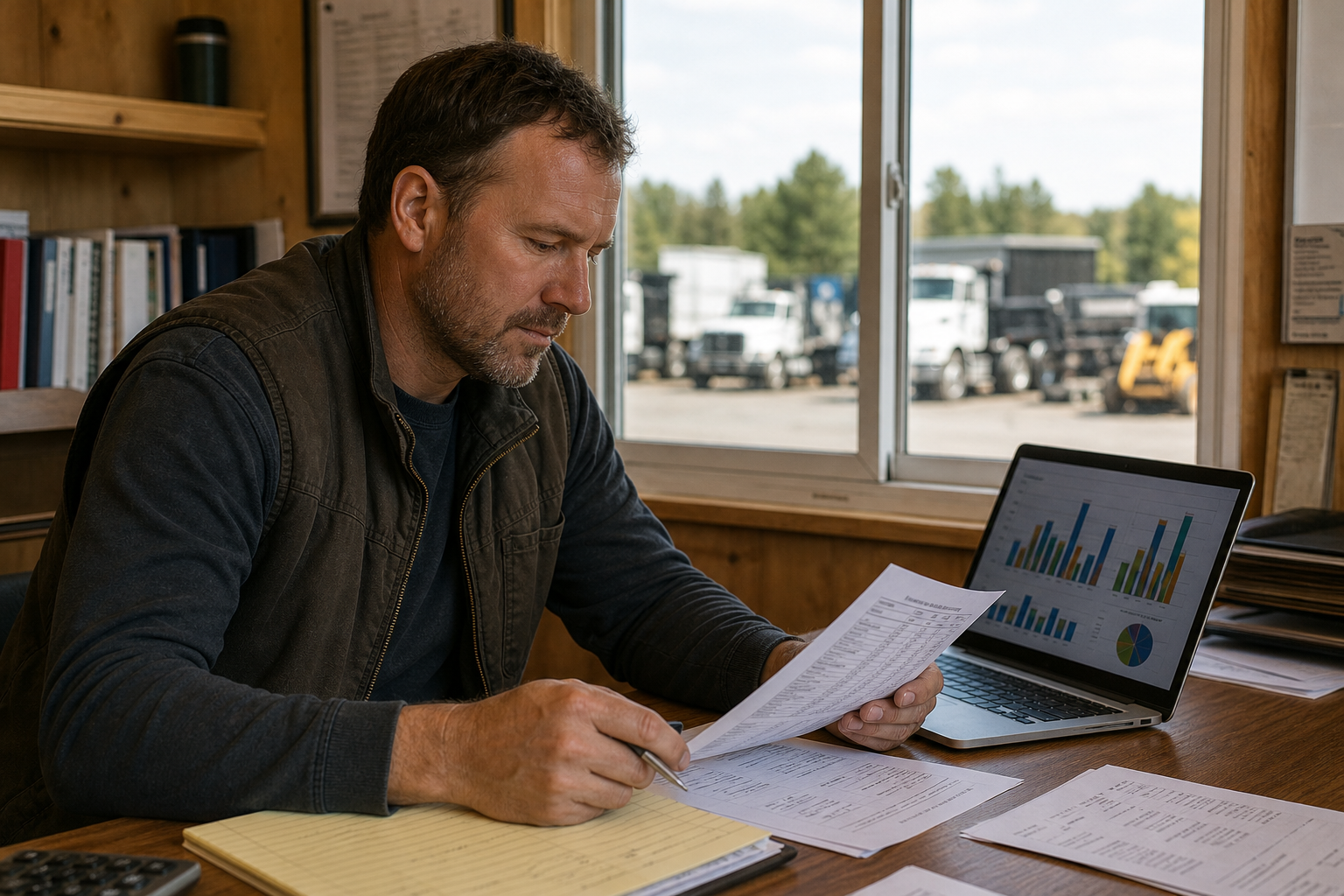
An owner reviewing job results with landscape financial reporting software.
Essential Reports for Landscape Profitability
Not every report earns a place on your dashboard. Start with these.
| Report | Question it answers |
|---|---|
| Job profitability | Which jobs make or lose money? |
| Budget vs actual | Is this job on track with the estimate? |
| A/R aging | Who owes us and for how long? |
| P&L by service line | Is maintenance or install more profitable? |
| Sales pipeline | How much work is coming next? |
Real-Time Job Costing
Real-time job costing compares labor, materials and equipment against budget as work happens. Consequently, you can fix an overrun on day three instead of discovering it at invoicing. Good estimates feed this process, so review this landscape estimating software guide as well.
Receivables and Cash Flow
Cash problems often come from late payments, not low sales. Aging reports flag slow accounts early. In addition, automated invoicing and online payments shorten the wait, as covered in our landscape billing software guide.
Features to Look For in Financial Reporting Software for Landscapers
- Field data capture, including time tracking, work tickets and photos.
- Purchasing and inventory tied to specific jobs.
- Owner dashboards for sales, operations and collections.
- QuickBooks sync or a built-in general ledger.
- Guided onboarding and data migration.
Reports are only as good as the data behind them. Therefore, prefer a platform where crews, office staff and accounting share one record. True Pro is one example. It is business management software built for landscape and outdoor service companies, covering job costing, real-time P&L, budget vs actual and QuickBooks integration. For a wider comparison, see the 2026 landscape business management software guide.
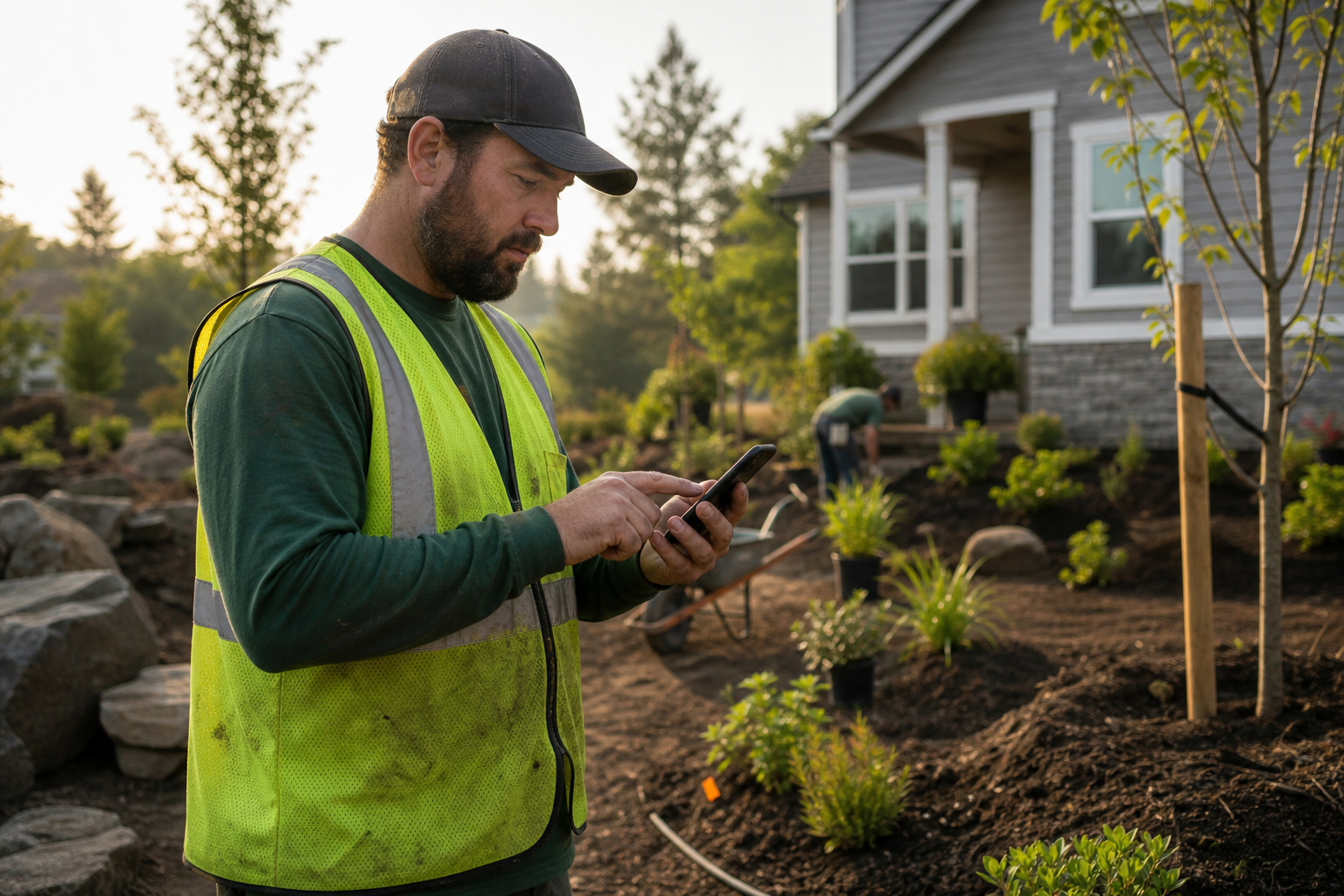
Field data entered on site is what makes financial reports trustworthy.
How to Choose the Right Reporting Software
- List the financial questions you need answered every week.
- Map where estimates, hours, materials and invoices live today.
- Confirm the core reports exist without spreadsheet workarounds.
- Test how data syncs to QuickBooks or your ledger.
- Plan onboarding, migration and crew training.
Common Mistakes to Avoid
Many owners buy a generic field service tool and then bend it to fit. Others skip time tracking, which leaves labor costs unknown. Finally, some never train crews, so data stays incomplete. You can read more at the True Pro website.
Frequently Asked Questions
What is landscape financial reporting software?
Landscape financial reporting software turns estimates, labor, materials and invoices into reports on job profit, cash flow and receivables. It is built around how landscape companies earn money.
How is it different from accounting software?
Accounting software records the books. Reporting software tied to field operations adds job-level detail, such as crew hours and material use, so you see profit while work is still underway.
Which reports matter most for a landscape company?
Job profitability, budget vs actual, accounts receivable aging, and a P&L by service line matter most. Sales pipeline and labor efficiency reports are strong additions.
Can I still use QuickBooks?
Yes. Many platforms sync with QuickBooks so the general ledger stays in your accounting system while operational reports come from the field software.
What is job costing?
Job costing tracks the actual labor, materials, equipment and subcontractor costs of each job. You then compare them with the amount you billed.
Why does budget vs actual matter?
It shows whether a job is tracking to your estimate while there is still time to act. Catching overruns early protects margin.
How often should I review financial reports?
Review cash and receivables weekly, job profitability at least monthly, and full P&L by service line each month. Large projects deserve a check at every milestone.
How much does landscape financial reporting software cost?
Pricing varies by vendor, team size and modules, so request a quote. Compare the cost against margin lost to unseen overruns.
How long does implementation take?
It depends on data volume and how many modules you adopt. Guided onboarding and data migration shorten the process.
What are common mistakes when choosing a tool?
Common mistakes include buying a generic field service tool, skipping time tracking, and ignoring how data reaches the books. Crew adoption is another frequent gap.
Do reports need accurate time tracking?
Yes. Labor is often the largest job cost, so poor time data makes every profit figure unreliable.
Is this software right for small crews?
It fits best once spreadsheets and basic accounting stop answering your questions. Growing companies with several crews usually see the benefit first.
Conclusion
Landscape financial reporting software gives you live answers about job profit, receivables and cash. Focus on real-time job costing, budget vs actual, clean accounting sync and dependable field data. Choose a platform built for landscape workflows, and your numbers will guide decisions instead of surprising you.